Cannabis is widely available and, for many adults, woven into evening routines, sleep habits, or stress relief. When someone cuts back or stops, the physical and emotional shift can surprise them. Searches for marijuana withdrawal symptoms and weed withdrawal symptoms often come from people who expected cannabis to be “harmless to quit”—and then found irritability, insomnia, or low mood waiting on the other side.
This article explains what cannabis withdrawal can look like, how long symptoms may last for many people, and when those symptoms signal a need for deeper mental health evaluation. It is educational information, not a diagnosis or a detox protocol. If you feel unsafe or severely unwell, seek emergency or urgent medical care.
Is Marijuana Withdrawal Real?
Yes. While cannabis withdrawal is often milder than withdrawal from alcohol or certain sedatives, it is recognized in clinical diagnostic frameworks. Not everyone who uses cannabis experiences withdrawal. Risk tends to rise with daily or near-daily use, higher potency products, longer duration of use, and abrupt cessation.
Withdrawal does not automatically mean someone has a substance use disorder. It does mean the body and brain adapted to regular THC exposure and need time to recalibrate.
Common Marijuana Withdrawal Symptoms
Symptoms vary. Many people describe a cluster that includes:
Physical and sleep-related
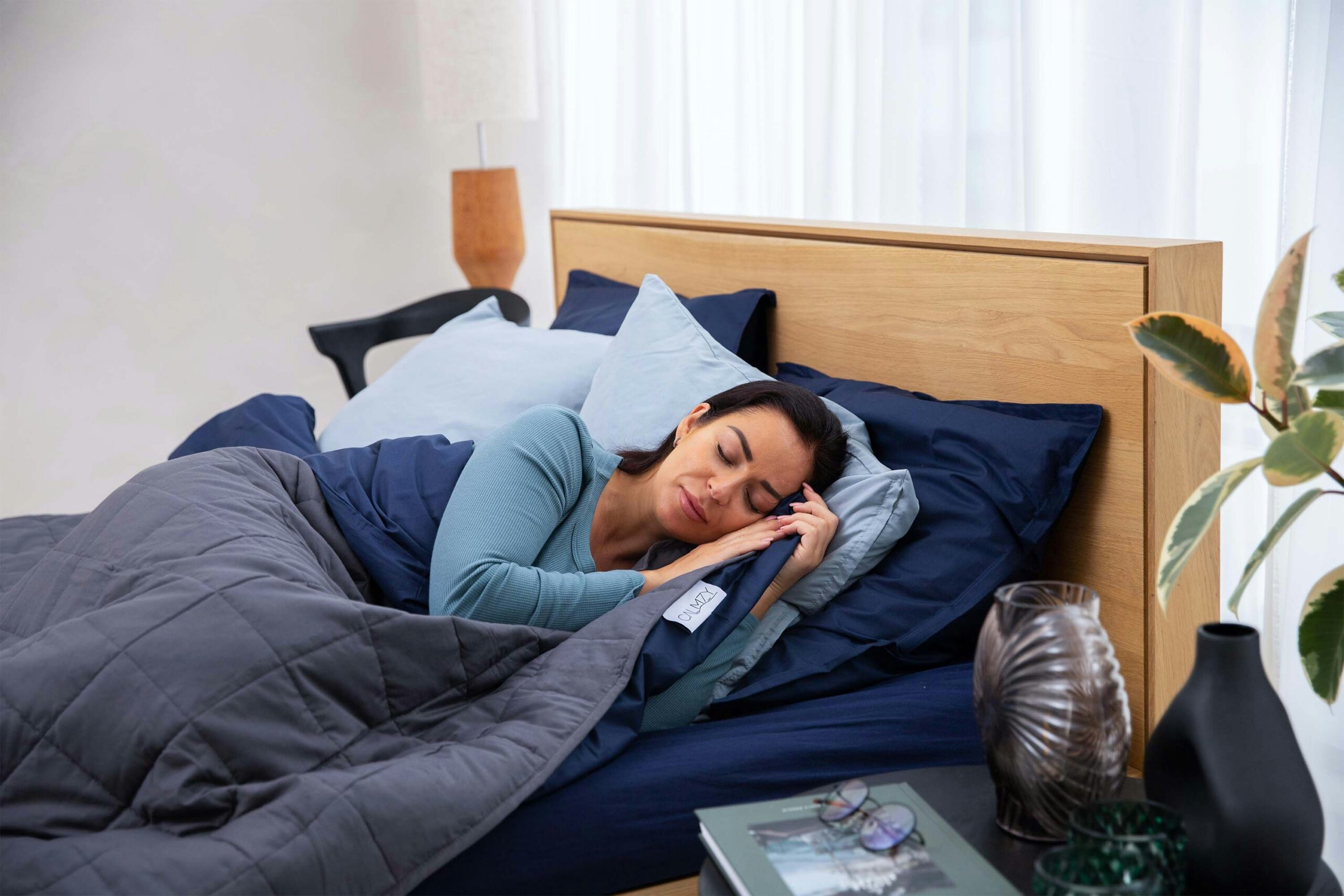
· Difficulty falling or staying asleep
· Vivid or unusual dreams as sleep returns
· Decreased appetite or temporary weight changes
· Headaches
· Restlessness or physical tension
· Sweating or chills in some cases
· Abdominal discomfort for some individuals
Emotional and cognitive
· Irritability or short temper
· Anxiety or nervousness
· Low mood or tearfulness
· Restlessness and boredom
· Trouble concentrating
· Strong cravings to use again—especially in the evening or during stress

These experiences can feel especially intense if cannabis was the primary way someone managed anxiety, trauma reminders, social discomfort, or insomnia. When the coping tool is removed, underlying mental health symptoms may become more visible—not because cannabis “caused” every symptom, but because it may have been masking them.
Weed Withdrawal vs. an Underlying Mental Health Issue
It can be hard to tell the difference in the first days or weeks. A useful framing:
· Withdrawal-related changes often begin within the first few days after stopping, peak early, and gradually ease over one to a few weeks for many people (timelines vary).
· Underlying depression, anxiety, PTSD, bipolar symptoms, or personality-related distress may persist, intensify, or become clearer after cannabis is no longer dampening them.
Red flags that suggest professional mental health evaluation (beyond waiting out short-term withdrawal) include:
· Persistent hopelessness or loss of interest lasting weeks
· Panic attacks that disrupt daily life
· Trauma flashbacks or nightmares that worsen rather than settle
· Mood swings that feel extreme or unsafe
· Thoughts of self-harm or suicide (seek immediate help)
· Using alcohol, stimulants, or other substances to replace cannabis
· Inability to function at work, school, or home even after several weeks
If you are unsure, a licensed clinician can help sort withdrawal from co-occurring conditions. You do not need to have everything figured out before you ask for help.
How Long Do Marijuana Withdrawal Symptoms Last?
There is no universal clock. Many people notice symptoms within 24 to 72 hours after stopping regular use. Irritability, sleep disruption, and cravings often peak in the first week. Sleep and mood may continue improving over two to several weeks. Cravings can reappear in stressful moments even later.
Factors that influence course include how much and how often someone used, product potency (including high-THC concentrates), co-occurring mental health conditions, and whether other substances are involved.
Practical Coping Supports (Not a Substitute for Care)
While mild symptoms are often managed with outpatient support and healthy routines, these strategies can help many people:
· Keep a consistent sleep schedule and limit screens before bed
· Stay hydrated and eat regular, nourishing meals even if appetite dips
· Use light movement—walking, stretching, or gentle yoga—if medically appropriate
· Practice grounding skills for irritability (paced breathing, brief time-outs, naming emotions)
· Tell a trusted person you are cutting back so you are not white-knuckling alone
· Avoid replacing cannabis with heavy alcohol use
If sleep loss or anxiety becomes severe, contact a healthcare provider. Do not start or stop psychiatric medications based on internet advice.
Dual Diagnosis: When Cannabis and Mental Health Overlap
Many adults seeking residential mental health care describe cannabis as something that “took the edge off” until it stopped working—or started making anxiety and motivation worse. Dual diagnosis thinking means treating mental health as primary while also addressing substance-related patterns that interfere with recovery.
Helios Mental Health in West Palm Beach is a mental-health-primary residential program. It is not a detox facility or primary addiction rehab. For some adults, that is exactly the right frame: the driving issue may be depression, anxiety, trauma, bipolar disorder, or a personality disorder pattern, with cannabis use as a complicating coping strategy.
A residential setting can help when outpatient therapy is not enough, home triggers are constant, sleep and structure have collapsed, or symptoms need 24/7 psychiatric monitoring and intensive therapy (including approaches such as CBT, DBT, and trauma-informed care).

Supporting a Loved One Through Weed Withdrawal
If you are a family member:
· Avoid shaming language (“just stop,” “it’s only weed”)
· Acknowledge that sleep and mood changes are real
· Encourage professional assessment if symptoms escalate or last
· Help reduce access to easy use triggers when the person has asked for that support
· Take care of your own stress—caregiver burnout is common
When to Seek Higher Levels of Care in Palm Beach County
Consider contacting a residential mental health program like Helios if:
· Mood or anxiety symptoms remain severe after the early withdrawal window
· There is a history of crisis, self-harm risk, or psychiatric hospitalization
· Multiple diagnoses are suspected and need coordinated treatment
· Prior outpatient attempts did not stick
· You need a structured, discreet environment away from daily triggers
Admissions teams can help verify insurance and explain whether residential mental health care—or a different level of care first—is appropriate.
Residential Structure When Home Feels Like a Trigger
For some adults in Palm Beach County, the hardest part of cutting back on cannabis is not the first three nights of poor sleep—it is returning every evening to the same couch, the same friends who pass a joint, or the same unresolved arguments that made numbing feel necessary. Residential mental health treatment creates temporary distance from those cues while you build skills and receive psychiatric support.
That does not mean every person who experiences weed withdrawal needs residential care. Many improve with outpatient therapy, peer support, and medical guidance. Residential care becomes more relevant when anxiety or depression remains severe, safety feels fragile, or you have already tried to quit multiple times without lasting change.
Helios Mental Health can discuss whether a mental-health-primary residential stay fits your situation after an admissions conversation. Bring questions about therapies offered, typical daily structure, family involvement, and what happens after discharge. Clarity reduces fear.
FAQ
What are the most common marijuana withdrawal symptoms?
Irritability, insomnia, vivid dreams, decreased appetite, anxiety, low mood, restlessness, and cravings are among the most frequently reported.
Are weed withdrawal symptoms dangerous?
For many people, cannabis withdrawal is uncomfortable rather than medically life-threatening. Still, severe anxiety, depression, or unsafe thoughts require prompt professional help. Alcohol or benzodiazepine withdrawal can be medically dangerous and should not be confused with cannabis withdrawal.
How is weed withdrawal different from depression?
Withdrawal-related low mood often improves as the brain adjusts. Clinical depression tends to persist and impair functioning beyond a short adjustment period. Only a clinician can assess the difference.
Can Helios help if I mainly want help stopping cannabis?
Helios focuses on residential mental health treatment. If cannabis use is tied to anxiety, depression, trauma, or other psychiatric needs—and you are appropriate for a mental-health-primary setting—the team can discuss fit. Primary medical detox needs may require a different facility first.
Stopping cannabis can reveal how much you have been carrying. If marijuana or weed withdrawal symptoms have uncovered anxiety, depression, trauma, or mood instability that will not settle, residential mental health treatment in West Palm Beach may be a next step. Contact Helios Mental Health at (844) 484-4996 to talk confidentially, verify insurance, and learn about personalized adult residential care. This article is for education and does not replace medical or psychiatric advice.